Business Name: BeeHive Homes of Lamesa TX
Address: 101 N 27th St, Lamesa, TX 79331
Phone: (806) 452-5883
BeeHive Homes of Lamesa
Beehive Homes of Lamesa TX assisted living care is ideal for those who value their independence but require help with some of the activities of daily living. Residents enjoy 24-hour support, private bedrooms with baths, medication monitoring, home-cooked meals, housekeeping and laundry services, social activities and outings, and daily physical and mental exercise opportunities. Beehive Homes memory care services accommodates the growing number of seniors affected by memory loss and dementia. Beehive Homes offers respite (short-term) care for your loved one should the need arise. Whether help is needed after a surgery or illness, for vacation coverage, or just a break from the routine, respite care provides you peace of mind for any length of stay.
101 N 27th St, Lamesa, TX 79331
Business Hours
Monday thru Sunday: 9:00am to 5:00pm
Facebook: https://www.facebook.com/BeeHiveHomesLamesa
YouTube: https://www.youtube.com/@WelcomeHomeBeeHiveHomes
Walk into any great senior living community on a Monday morning and you'll notice the quiet choreography. A resident with arthritic knees finishes breakfast without a rush due to the fact that the dining app flagged a gluten level of sensitivity to the cooking area last night. A nurse checks a tablet and sees that Mr. Alvarez's heart rate trended a little bit greater throughout sleep, not emergency-high, however enough to nudge a quick corridor chat and a fluids suggestion. A granddaughter drops in for a video visit from two states away, the call framed by a tablet stand with large icons and a single, assuring "Join" button. Innovation, when it's doing its job, fades into the background and the day unfolds with fewer bumps.
The promise of tech-enabled elderly care isn't about gizmos for their own sake. It's about pushing confidence back into daily regimens, reducing avoidable crises, and providing caregivers richer, real-time context without burying them in control panels. Whether in assisted living, memory care, or at home with periodic respite care, the right tools can transform senior care from reactive to anticipatory. The technique is lining up tools with real human rhythms and constraints.
What "tech-enabled" appears like on a Tuesday, not a brochure
The true test of value surface areas in regular minutes. A resident with mild cognitive problems forgets whether they took early morning medications. A discreet dispenser paired with a basic chime and green light deals with unpredictability without shaming them. In an assisted living setting, the very same dispenser pushes a quiet alert to care staff if a dose is avoided, so they can time a check-in in between other jobs. Nobody is sprinting down the hall, not unless it's needed.
In memory care, movement sensors put thoughtfully can differentiate in between a nighttime restroom journey and aimless wandering. The system does not blast alarms. It sends a vibration to a night caretaker's wearable, guiding them to the best space before a fall or exit effort. You can feel the difference later in the week, when homeowners appear better rested and staff are less wrung out.
Families feel it too. A kid opens an app and sees Mom's activity summary: 2 group events went to, meals consumed, a brief outdoor walk in the courtyard. He's not checking out an abstract rating, he's seeing a life pattern, with blanks filled in by staff notes that include a photo of a painting she ended up. Openness minimizes friction, and trust grows when small information are shared reliably.
The quiet workhorses: safety tech that avoids bad days
Fall threat is the ever-present ghost in elderly care. Many falls occur in a bathroom or bed room, frequently during the night. Wired bed pads utilized to be the default, but they were cumbersome and vulnerable to false alarms. Now, ceiling-mounted sensing units and computer vision systems can identify body position and motion speed, approximating risk without recording recognizable images. Their promise is not a flood of alerts, but timely, targeted triggers. In numerous neighborhoods I have actually dealt with, we saw night-shift falls come by a 3rd within 3 months after installing passive fall-detection sensors and combining them with easy personnel protocols.
Wearable assistance buttons still matter, particularly for independent homeowners. The design information decide whether people really utilize them. Devices with integrated cellular, predictable charging (a cradle on a nightstand), and water resistance for shower wear result in consistent adoption. Locals will not baby a vulnerable gadget. Neither will staff who need to tidy spaces quickly.
Then there's the fires we never ever see due to the fact that they never ever start. A smart stove guard that cuts power if no motion is discovered near the cooktop within a set period can salvage dignity for a resident who loves making tea however in some cases forgets the burner. Door sensors with friendly chimes offer early cues that a resident is trying to leave after sunset. None of these change human supervision, but together they diminish the window where small lapses snowball into emergencies.
Medication tech that respects routines
Medication adherence sits at the center of senior health. In assisted living, med passes can eat up half of a shift if procedures are clumsy. Electronic Medication Administration Records, or eMARs, enhance the flow if incorporated with pharmacy systems. The very best ones seem like good lists: clear, sequential, and tailored to the resident. A nurse needs to see at a glance which medications are PRN, what the last dosage accomplished, and what side effects to enjoy. Audit logs reduce finger-pointing and aid managers spot patterns, like a particular tablet that locals reliably refuse.
Automated dispensers vary widely. The excellent ones are tiring in the best sense: reliable, easy to load, with tactile buttons, clear audio prompts, and locks that caretakers can bypass when required. Keep expectations sensible. A dispenser can't resolve intentional nonadherence or repair a medication regimen that's too complex. What it can do is support residents who wish to take their meds, and reduce the burden of arranging pillboxes.
A useful tip from experimentation: set the dispenser chime to a tone that's mild but distinct from typical environmental sounds, like a phone ring. Use a light hint as a backup for residents with hearing loss. Match the device with a written routine taped inside a cabinet, due to the fact that redundancy is a pal to memory.
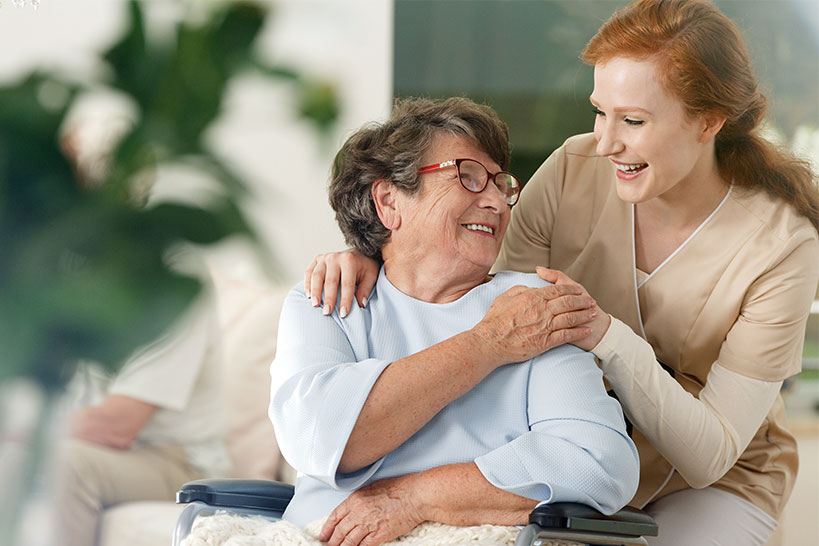
Memory care requires tools designed for the sensory world people inhabit
People living with dementia interpret environments through emotion and experience more than abstraction. Innovation must satisfy them where they are. Touchscreen stations with curated material can trigger reminiscence, however they work best when personnel anchor them to individual histories. If a resident was a gardener, load images and short clips of peonies, not generic beaches. Keep sessions quick, 8 to 12 minutes, and predictable in timing. Overstimulation backfires.
Location tech gets more difficult. GPS trackers guarantee peace of mind however often deliver false self-confidence. In protected memory care, indoor positioning tools using Bluetooth beacons can notify personnel when somebody nears an exit, yet prevent the stigma of noticeable wrist centers. Privacy matters. Locals are worthy of self-respect, even when guidance is necessary. Train staff to tell the care: "I'm walking with you due to the fact that this door leads outdoors and it's cold. Let's extend our legs in the garden instead." Technology ought to make these redirects prompt and respectful.
For sundowning, circadian lighting systems assist more than individuals expect. Warm early morning light, bright midday lighting, and dim night tones cue biology carefully. Lights must adjust automatically, not rely on staff turning switches in hectic moments. Neighborhoods that invested in tunable LEDs saw fewer late-day agitation episodes and much better sleep within a couple of weeks, according to their internal logs and family feedback. Include sensor-driven nightlights for safe restroom trips. It's a layered option that seems like convenience, not control.
Social connection, simplified
Loneliness is as damaging as persistent illness. Tech that closes social gaps pays dividends in state of mind, appetite, and adherence. The obstacle is usability. Video contacting a consumer tablet sounds simple till you factor in tremors, low vision, and unknown user interfaces. The most successful setups I have actually seen utilize a dedicated device with 2 or three giant buttons. Calls are pre-approved contacts, and the device autoconnects on response. Arranged "standing" calls create habit. Personnel don't need to troubleshoot a brand-new upgrade every other week.
Community hubs include regional texture. A large screen in the lobby showing today's occasions and images from the other day's activities invites conversation. Citizens who skip group events can still feel the thread of neighborhood. Families checking out the same feed upon their phones feel connected without hovering.
For people uneasy with screens, low-tech buddies like mail-print services that transform e-mails into physical letters still have their location. Hybrid approaches, not all-in on digital, respect the diversity of preferences in senior living.
Data without overwhelm: turning signals into decisions
Every device claims it can produce insights. It's the job of care leaders to decide what information should have attention. In practice, a few signals consistently add worth:
- Sleep quality trends over weeks, not nights, to capture degenerations before they become infections, heart failure exacerbations, or depression. Changes in gait speed or walking cadence, caught by passive sensors along corridors, which associate with fall risk. Fluid intake approximations combined with restroom gos to, which can help find urinary tract infections early. Response time to call buttons, which reveals staffing bottlenecks and training gaps.
Everything else gets relegated to the nice-to-have stack. The very best senior care groups develop quick "signal rounds" throughout shift huddles. 2 minutes, tops. If the system can't highlight the few citizens that necessitate additional eyes today, it's not serving the team. Resist the lure of control panels that need a 2nd coffee just to parse.
On the administrative side, tenancy forecasting, staffing designs that integrate acuity scores, and maintenance tickets tied to space sensors (temperature level, humidity, leakage detection) decrease friction and spending plan surprises. These operational wins translate indirectly into much better care because personnel aren't continuously firefighting the building.
Assisted living, memory care, and respite care each call for a different tool mix
Assisted living balances autonomy with security. Tools that support independent regimens bring the most weight: medication aids, simple wearables, and gentle environmental sensing units. The culture ought to stress partnership. Citizens are partners, not patients, and tech should feel optional yet enticing. Training looks like a hands-on demonstration, a week of check-ins, and after that a light upkeep cadence.
Memory care prioritizes safe and secure roaming spaces, sensory comfort, and predictable rhythms. Here, tech should be almost unnoticeable, tuned to decrease triggers and guide personnel action. Automation that smooths lighting, environment, and nighttime tracking beats resident-facing gizmos. The most important software application may be a shared, living profile of everyone's history and choices, accessible on every caregiver's device. If you know that Mr. Lee soothes with early Ella Fitzgerald, a tense moment ends up being a two-song walk rather of a sedative.
Respite care has a fast onboarding problem. Households show up with a bag of medications, a stack of notes, and anxiety. Intake tools that scan prescription labels, flag possible interactions, and pull allergic reaction information conserve hours. Short-stay homeowners benefit from wearables with short-lived profiles and pre-set informs, given that staff do not understand their standard. Success throughout respite looks like connection: the resident's sleeping, eating, and social patterns don't dip just because they changed address for a week. Innovation can scaffold that continuity if it's fast to set up and simple to retire.
Training and modification management: the unglamorous core
New systems fail not since the tech is weak, however due to the fact that training ends prematurely. In senior care, turnover is real. Training should assume a rolling audience. The rhythm that works: a succinct kickoff workshop, watching with super-users, and micro-learning refreshers connected to genuine tasks. The very first one month decide whether a tool sticks. Supervisors must set up a 10-minute weekly "snag sweep" where staff can name inconveniences and get fast repairs or workarounds.
One hard-learned lesson: incorporate with existing workflows instead of anticipating staff to pivot totally. If CNAs currently bring a particular device, put the alerts there. If nurses chart during a specific window after med pass, do not include a separate system that replicates data entry later on. Likewise, set limits around alert volumes. An optimum of three high-priority notifies per hour per caretaker is an affordable ceiling; any greater and you will see alert tiredness and dismissal.
Privacy, self-respect, and the principles of watching
Tech presents a permanent tension between safety and privacy. Communities set the tone. Citizens and households should have clear, plain-language explanations of what is measured, where information resides, and who can see it. Consent should be really informed, not buried in a packet. In memory care, replacement decision-makers must still be presented with options and trade-offs. For example: ceiling sensing units that examine posture without video versus basic electronic cameras that capture identifiable footage. The very first safeguards dignity; the second might provide richer proof after a fall. Pick deliberately and record why.
Data reduction is a sound principle. Catch what you require to deliver care and show quality, not everything you can. Delete or anonymize at fixed periods. A breach is not an abstract danger; it undermines trust you can not quickly rebuild.
Measuring what matters: from "cool tools" to outcomes
Leaders in senior living often get asked to show roi. Beyond anecdotes, several metrics inform a grounded story:
- Fall rate per 1,000 resident-days, changed for skill. Expect modest improvements at first, bigger ones as personnel adjust workflows. Hospitalization and readmission rates over 6 to twelve months, preferably segmented by residents using specific interventions. Medication adherence for residents on complex routines, going for enhancement from, state, 80 percent to 92 to 95 percent, with fewer late doses. Staff retention and fulfillment ratings after rollout. Burnout drops when innovation removes friction rather than including it. Family complete satisfaction and trust indications, such as reaction speed, interaction frequency, and viewed transparency.
Track expenses truthfully. Hardware, software application, IT support, training time, and replacement cycles all count. Counterbalance with avoided costs: less ambulance transportations, lower employees' comp claims from staff injuries throughout crisis actions, and greater occupancy due to credibility. When a community can say, "We reduced nighttime falls by 28 percent and cut preventable ER transfers by a quarter," households and recommendation partners listen.
Home settings and the bridge to neighborhood care
Not every elder lives in a community. Numerous receive senior care at home, with household as the backbone and respite care filling spaces. The tech concepts rollover, with a couple of twists. In your home, the environment is less controlled, Web service varies, and somebody needs to maintain devices. Simplify ruthlessly. A single center that manages Wi-Fi backup via cellular, plugs into a wise medication dispenser, and passes on standard sensors can anchor a home setup. Provide families a clear upkeep schedule: charge this on Sundays, inspect this light on Thursdays, call this number for replacement.
Remote monitoring programs connected to a favored center can decrease unneeded center sees. Provide loaner packages with pre-paired gadgets, pre-paid shipping, and phone support during service hours and a minimum of one evening slot. People don't have concerns at 2 p.m. on a weekday. They have them after dinner.
For families, the emotional load is heavier than the technical one. Tools that produce a shared view amongst siblings, tracking tasks and visits, avoid animosity. A calendar that reveals respite bookings, assistant schedules, and physician appointments decreases double-booking and late-night texts.
Cost, equity, and the danger of a two-tier future
Technology frequently lands first where spending plans are larger. That can leave smaller sized assisted living communities and rural programs behind. Suppliers should provide scalable pricing and meaningful nonprofit discount rates. Neighborhoods can partner with health systems for device loaning libraries and research study grants that cover initial pilots. Medicare Advantage prepares in some cases support remote monitoring programs; it deserves pressing insurers to fund tools that demonstrably reduce acute events.
Connectivity is a peaceful gatekeeper. If your building's Wi-Fi is spotty, start there. A trusted, safe network is the infrastructure on which whatever else rests. In older buildings, power outlets may be scarce and unevenly distributed. Spending plan for electrical updates as part of any tech rollout. The unglamorous investments keep the attractive ones working.
Design equity matters too. Interfaces should accommodate low vision, hearing loss, and restricted mastery. Plain language beats lingo in every resident-facing component. If a gadget requires a smartphone to onboard, assume a staff-led setup. Don't leave residents to eliminate small font styles and tiny QR codes.
What good looks like: a composite day, 5 months in
By spring, the innovation fades senior care into routine. Early morning light warms slowly in the memory care wing. A resident susceptible to sundowning now sleeps through to 4 a.m., and personnel reroute him carefully when a sensing unit pings. In assisted living, a resident who as soon as skipped two or 3 doses a week now hits 95 percent adherence thanks to a dispenser and day-to-day habit-building. She brags to her daughter that she "runs the machine, it does not run me."
A CNA glances at her device before beginning showers. 2 locals show gait changes worth a watch. She prepares her path appropriately, asks one to sit an extra 2nd before standing, and requires a colleague to spot. No drama, less near-falls. The building supervisor sees a humidity alert on the 3rd floor and sends out upkeep before a slow leak ends up being a mold issue. Relative pop open their apps, see photos from the morning chair yoga session, and leave little notes. The comments end up being conversation starters in afternoon visits.
Staff go home a bit less tired. They still work hard. Senior living is human work. However the work tilts more towards existence and less toward firefighting. Locals feel it as a stable calm, the common miracle of a day that goes to plan.
Practical beginning points for leaders
When communities ask where to begin, I suggest three actions that stabilize ambition with pragmatism:
- Pick one security domain and one quality-of-life domain. For instance, fall detection and social connection. Pilot tools that incorporate with your current systems, measure three results per domain, and commit to a 90-day evaluation. Train super-users throughout roles. One nurse, one CNA, one life enrichment staffer, and one upkeep lead. They will spot combination issues others miss out on and become your internal champions. Communicate early and frequently with locals and households. Discuss why, what, and how you'll handle data. Welcome feedback. Little co-design gestures develop trust and improve adoption.
That's two lists in one article, which suffices. The rest is patience, version, and the humility to adjust when a feature that looked fantastic in a demonstration falls flat on a Tuesday at 6 a.m.
The human point of all this
Elderly care is a web of tiny choices, taken by genuine people, under time pressure, for someone who as soon as altered our diapers, served in a war, taught 3rd graders, or fixed neighbors' automobiles on weekends. Innovation's function is to broaden the margin for great choices. Succeeded, it brings back self-confidence to residents in assisted living, steadies routines in memory care, and takes weight off household shoulders throughout respite care. It keeps elders more secure without making life feel smaller.
Communities that approach tech as a set of tools in service to relationship-centered senior care, not as a replacement for it, find that days get a little smoother, nights a little quieter, and smiles a little easier. That is the ideal yardstick. Not the number of sensors installed, however the number of regular, pleased Tuesdays.
BeeHive Homes of Lamesa TX provides assisted living care
BeeHive Homes of Lamesa TX provides memory care services
BeeHive Homes of Lamesa TX provides respite care services
BeeHive Homes of Lamesa TX supports assistance with bathing and grooming
BeeHive Homes of Lamesa TX offers private bedrooms with private bathrooms
BeeHive Homes of Lamesa TX provides medication monitoring and documentation
BeeHive Homes of Lamesa TX serves dietitian-approved meals
BeeHive Homes of Lamesa TX provides housekeeping services
BeeHive Homes of Lamesa TX provides laundry services
BeeHive Homes of Lamesa TX offers community dining and social engagement activities
BeeHive Homes of Lamesa TX features life enrichment activities
BeeHive Homes of Lamesa TX supports personal care assistance during meals and daily routines
BeeHive Homes of Lamesa TX promotes frequent physical and mental exercise opportunities
BeeHive Homes of Lamesa TX provides a home-like residential environment
BeeHive Homes of Lamesa TX creates customized care plans as residents’ needs change
BeeHive Homes of Lamesa TX assesses individual resident care needs
BeeHive Homes of Lamesa TX accepts private pay and long-term care insurance
BeeHive Homes of Lamesa TX assists qualified veterans with Aid and Attendance benefits
BeeHive Homes of Lamesa TX encourages meaningful resident-to-staff relationships
BeeHive Homes of Lamesa TX delivers compassionate, attentive senior care focused on dignity and comfort
BeeHive Homes of Lamesa TX has a phone number of (806) 452-5883
BeeHive Homes of Lamesa TX has an address of 101 N 27th St, Lamesa, TX 79331
BeeHive Homes of Lamesa TX has a website https://beehivehomes.com/locations/lamesa/
BeeHive Homes of Lamesa TX has Google Maps listing https://maps.app.goo.gl/ta6AThYBMuuujtqr7
BeeHive Homes of Lamesa TX has Facebook page https://www.facebook.com/BeeHiveHomesLamesa
BeeHive Homes of Lamesa has an YouTube page https://www.youtube.com/@WelcomeHomeBeeHiveHomes
BeeHive Homes of Lamesa TX won Top Assisted Living Homes 2025
BeeHive Homes of Lamesa TX earned Best Customer Service Award 2024
BeeHive Homes of Lamesa TX placed 1st for Senior Living Communities 2025
People Also Ask about BeeHive Homes of Lamesa TX
What is BeeHive Homes of Lamesa Living monthly room rate?
The rate depends on the level of care that is needed. We do an initial evaluation for each potential resident to determine the level of care needed. The monthly rate is based on this evaluation. There are no hidden costs or fees
Can residents stay in BeeHive Homes until the end of their life?
Usually yes. There are exceptions, such as when there are safety issues with the resident, or they need 24 hour skilled nursing services
Do we have a nurse on staff?
No, but each BeeHive Home has a consulting Nurse available 24 – 7. if nursing services are needed, a doctor can order home health to come into the home
What are BeeHive Homes’ visiting hours?
Visiting hours are adjusted to accommodate the families and the resident’s needs… just not too early or too late
Do we have couple’s rooms available?
Yes, each home has rooms designed to accommodate couples. Please ask about the availability of these rooms
Where is BeeHive Homes of Lamesa TX located?
BeeHive Homes of Lamesa is conveniently located at 101 N 27th St, Lamesa, TX 79331. You can easily find directions on Google Maps or call at (806) 452-5883 Monday through Sunday 9:00am to 5:00pm
How can I contact BeeHive Homes of Lamesa TX?
You can contact BeeHive Homes of Lamesa by phone at: (806) 452-5883, visit their website at https://beehivehomes.com/locations/lamesa/, or connect on social media via Facebook or YouTube
Take a drive to K-BOB'S Steakhouse Lamesa. K-BOB'S Steakhouse Lamesa provides classic comfort food that residents in assisted living or memory care can enjoy during senior care and respite care outings.